
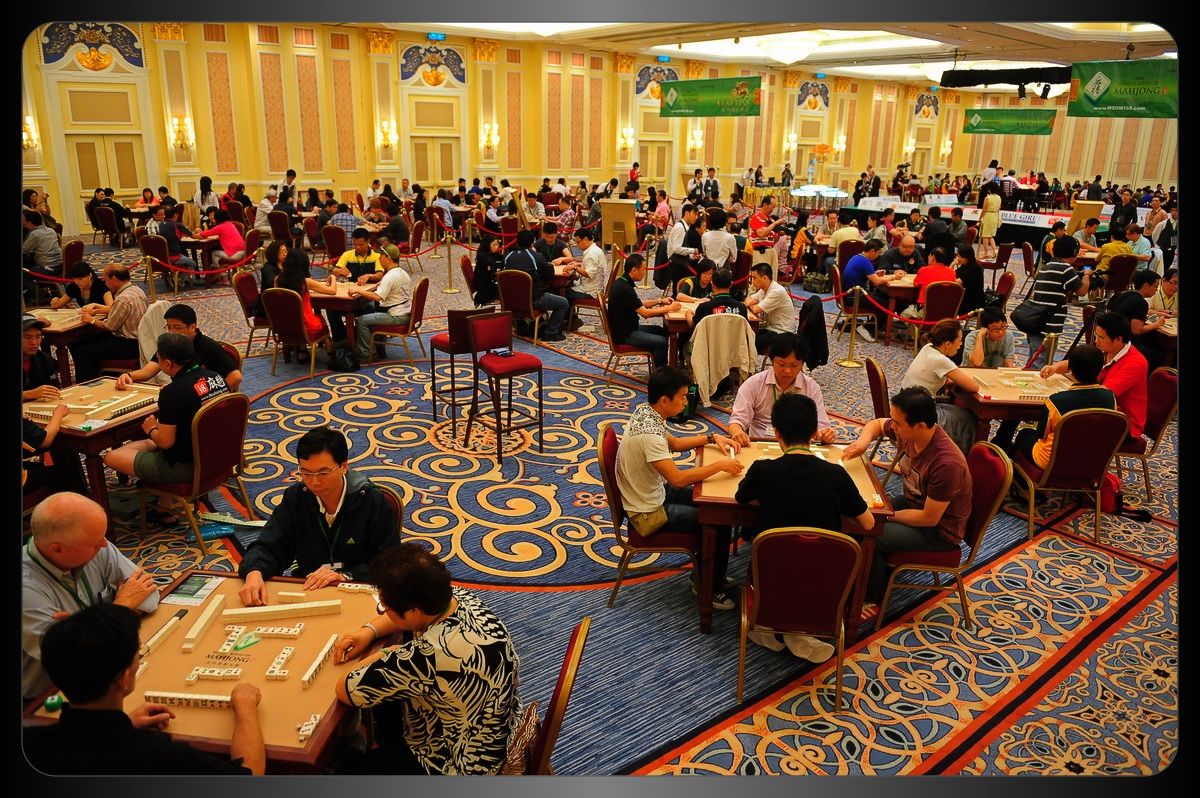
Casino tournaments turn a normal casino game into a competition where players are ranked against one another. Instead of simply playing against the house, participants usually receive a set number of tournament chips or points and try to finish with the strongest result. The exact format depends on the game. Poker tournaments, blackjack tournaments, and slot tournaments can all work differently. The common idea is simple: players compete during a defined event period, and the highest-ranked participants receive the announced prizes.
Registration Sets the Event in Motion
Every tournament needs a clear structure before players take their seats. Organizers normally announce the entry fee, starting chips or points, game type, schedule, number of rounds, qualifying rules, and prize structure. Registration may close at a fixed time, while some poker tournaments allow late registration. For a well-run event, these details should be visible before players enter because they determine how the competition will work from start to finish.
Players Compete Under a Fixed Format
Once the tournament begins, players follow rules designed specifically for the event. In poker, everyone normally starts with a defined chip stack, and blinds increase at scheduled intervals. Players who lose all their chips are eliminated unless the event permits rebuys or re-entry. Blackjack tournaments can use a different structure, with players competing over a fixed number of hands or timed rounds and advancing according to their chip totals.
Leaderboards Create the Pressure
The leaderboard is what makes a tournament feel different from an ordinary casino session. A player may have a strong result but still need to beat other participants to reach a prize position. In slot tournaments, for example, rankings can be based on points or winning performance during a specified period. In blackjack, the player with the strongest chip position may advance from a round. This means participants need to understand exactly how scores are calculated before playing.
Elimination and Qualification Shape the Event
Many casino tournaments are organized in stages. Early rounds may have several tables or groups, with stronger performers moving into later rounds. As players are eliminated, organizers can reduce the number of tables and bring remaining competitors together. Poker tournaments commonly follow this approach, eventually creating a final table where the remaining players compete for the biggest prizes.
The Prize Structure Should Be Clear
Prize money or other rewards are normally announced as part of the tournament structure. In poker, only a portion of the field typically receives a payout, with higher finishing positions receiving larger amounts. Recent tournament guides commonly describe around 10% to 15% of the field being paid, although the exact percentage varies by event. Organizers should clearly explain whether prizes are cash, merchandise, free-play credits, or another reward so participants know what they are competing for.
Good Organization Makes the Difference
Behind a successful casino tournament is plenty of event planning. Organizers need enough tables, dealers, chips, registration staff, scorekeeping systems, signage, scheduled breaks, and a clear process for handling eliminations and disputes. A visible tournament clock and regularly updated standings can also prevent confusion. For larger casino festivals and expos, organizers must coordinate these details alongside crowd management, entertainment, hospitality, and other activities.
Ultimately, a casino tournament works because it combines a familiar casino game with a structured event format. Players know when competition starts, how they are ranked, what happens when they are eliminated, and what rewards are available. For event organizers, the real challenge is making those rules simple enough for everyone to understand while keeping the competition moving smoothly.








Leave a Reply