
Blog

  • How Do Casino Tournaments Work?

    How Do Casino Tournaments Work?

    Casino tournaments turn a normal casino game into a competition where players are ranked against one another. Instead of simply playing against the house, participants usually receive a set number of tournament chips or points and try to finish with the strongest result. The exact format depends on the game. Poker tournaments, blackjack tournaments, and slot tournaments can all work differently. The common idea is simple: players compete during a defined event period, and the highest-ranked participants receive the announced prizes.

    Registration Sets the Event in Motion

    Every tournament needs a clear structure before players take their seats. Organizers normally announce the entry fee, starting chips or points, game type, schedule, number of rounds, qualifying rules, and prize structure. Registration may close at a fixed time, while some poker tournaments allow late registration. For a well-run event, these details should be visible before players enter because they determine how the competition will work from start to finish.

    Players Compete Under a Fixed Format

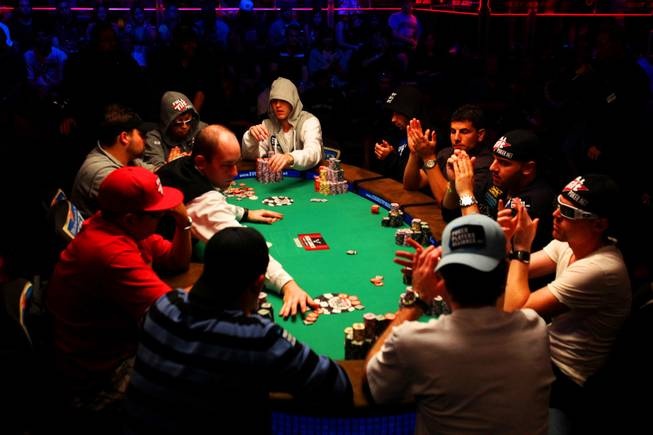
    Once the tournament begins, players follow rules designed specifically for the event. In poker, everyone normally starts with a defined chip stack, and blinds increase at scheduled intervals. Players who lose all their chips are eliminated unless the event permits rebuys or re-entry. Blackjack tournaments can use a different structure, with players competing over a fixed number of hands or timed rounds and advancing according to their chip totals.

    Leaderboards Create the Pressure

    The leaderboard is what makes a tournament feel different from an ordinary casino session. A player may have a strong result but still need to beat other participants to reach a prize position. In slot tournaments, for example, rankings can be based on points or winning performance during a specified period. In blackjack, the player with the strongest chip position may advance from a round. This means participants need to understand exactly how scores are calculated before playing.

    Elimination and Qualification Shape the Event

    Many casino tournaments are organized in stages. Early rounds may have several tables or groups, with stronger performers moving into later rounds. As players are eliminated, organizers can reduce the number of tables and bring remaining competitors together. Poker tournaments commonly follow this approach, eventually creating a final table where the remaining players compete for the biggest prizes.

    The Prize Structure Should Be Clear

    Prize money or other rewards are normally announced as part of the tournament structure. In poker, only a portion of the field typically receives a payout, with higher finishing positions receiving larger amounts. Recent tournament guides commonly describe around 10% to 15% of the field being paid, although the exact percentage varies by event. Organizers should clearly explain whether prizes are cash, merchandise, free-play credits, or another reward so participants know what they are competing for.

    Good Organization Makes the Difference

    Behind a successful casino tournament is plenty of event planning. Organizers need enough tables, dealers, chips, registration staff, scorekeeping systems, signage, scheduled breaks, and a clear process for handling eliminations and disputes. A visible tournament clock and regularly updated standings can also prevent confusion. For larger casino festivals and expos, organizers must coordinate these details alongside crowd management, entertainment, hospitality, and other activities.

    Ultimately, a casino tournament works because it combines a familiar casino game with a structured event format. Players know when competition starts, how they are ranked, what happens when they are eliminated, and what rewards are available. For event organizers, the real challenge is making those rules simple enough for everyone to understand while keeping the competition moving smoothly.

  • How Casino Events Have Changed Over Time

    How Casino Events Have Changed Over Time

    Casino events were once fairly straightforward affairs. A casino tournament might revolve around a poker table, while industry exhibitions mainly focused on showing new machines and equipment to casino operators. Today, the event scene is much broader. Tournaments, gaming festivals, trade expos, conferences, networking events, technology showcases, and entertainment programs can all sit under the same umbrella. The biggest change is that casino events have moved from being mainly about gambling activities to becoming full-scale experiences.

    From Small Gatherings to Major Industry Events

    In the earlier days, casino events were generally more local and focused on established casino games. Poker tournaments are a good example. The World Series of Poker began in 1970 with just seven well-known players taking part in the original event. Over the decades, tournament structures expanded dramatically, with multiple events covering different poker formats and player categories.

    The same shift happened with industry exhibitions. Historical records show that the International Casino Exhibition was already being held in London in the early 2000s, alongside other gaming conferences and trade shows. By 2006, ICE and ICEi attracted 9,799 visitors, while the wider London gaming show recorded 24,913 participants.

    Technology Changed the Event Floor

    Technology has probably been the biggest practical change. Older casino exhibitions were heavily focused on physical gaming machines, tables, equipment, and casino operations. Modern expos now give much more space to digital platforms, payment systems, data, artificial intelligence, online gaming technology, security, and player-management solutions.

    The scale tells the story. ICE Barcelona 2026 reported more than 65,000 visitors, over 600 exhibitors, more than 300 regulators, and more than 300 expert speakers across three days.

    For event organizers, this creates a very different job. A successful expo now needs strong Wi-Fi, charging areas, meeting spaces, clear navigation, digital registration, demonstration areas, and conference rooms. Simply putting exhibitors in a large hall is no longer enough.

    Events Are Becoming More International

    Casino events have also become much more international. Organizers now design events to bring together operators, suppliers, regulators, technology companies, investors, speakers, and industry professionals from many countries.

    World Gaming Week in Barcelona attracted 62,988 industry professionals from 162 nations in 2026, a 5% increase over the previous year.

    That international mix changes how events are organized. Timing, language support, transportation, accommodation, networking schedules, and meeting arrangements all become important. For attendees, the value is not only watching demonstrations or attending talks. A major part of the experience is meeting people who work in different markets.

    The Experience Matters More Than Ever

    Modern casino festivals and expos increasingly combine business with entertainment. Conferences may include keynote sessions, product demonstrations, networking parties, competitions, awards, food, music, and interactive experiences. The aim is to keep people engaged rather than simply walking from one booth to another.

    For organizers, the practical lesson is simple: build an event around what attendees want to do, not just what exhibitors want to display. Give visitors useful sessions, comfortable meeting areas, clear schedules, interesting demonstrations, and enough opportunities to network.

    Casino events have therefore evolved from relatively focused gaming gatherings into sophisticated international experiences. The strongest events today balance business, technology, education, networking, and entertainment, giving attendees a reason to stay, participate, and return the following year.

  • How Casino Events Attract Visitors

    How Casino Events Attract Visitors

    Casino events are no longer just about putting people around gaming tables. Festivals, tournaments, live entertainment, themed nights, and industry expos can turn a casino venue into a complete visitor experience. The real trick is giving people a reason to make the trip in the first place. A well-planned event creates that reason by offering something that feels different from an ordinary casino visit.

    Tournaments Give Visitors a Clear Reason to Attend

    A tournament works because it gives visitors a specific goal. Instead of simply visiting a venue, people can register for an event, compete against others, follow a schedule, and potentially win a prize. Poker and slot tournaments are common examples, but the same idea can work with other competitive formats. Research published in the Journal of Convention & Event Tourism found that casino special events, including themed celebrations and tournaments, can have an indirect effect on gaming activity.

    For organizers, the practical lesson is simple: build the event around a clear format. Publish registration details early, explain eligibility and rules, create a visible timetable, and make sure participants know what happens at every stage. A confusing tournament can quickly turn excitement into frustration. A smooth one can encourage visitors to return for the next edition.

    Festivals Add More Than Gaming

    A casino festival can attract a wider audience because it does not depend entirely on gambling. Food events, music performances, cultural celebrations, comedy shows, sports screenings, and themed entertainment can bring people who are interested in the overall experience. This is important because visitors often spend money on hotels, restaurants, entertainment, transport, and shopping as well as gaming.

    Las Vegas provides a useful example of this broader visitor economy. The Las Vegas Convention and Visitors Authority reports 38.5 million visitors in 2025, with tourism generating an estimated $80.9 billion in overall economic impact. The takeaway for event planners is that casino events can work best when they connect with the wider destination instead of operating as isolated activities.

    Expos Create a Different Type of Visitor

    Casino expos and industry exhibitions attract another audience: professionals, suppliers, technology companies, investors, operators, and people interested in the future of gaming and hospitality. These events are less about entertainment and more about networking, demonstrations, education, and business opportunities.

    Good expo organization starts with a strong floor plan. Exhibitors need clear spaces, visitors need easy navigation, and sessions should be scheduled so attendees have time to explore stands without missing important presentations. Registration, signage, Wi-Fi, seating, security, and staff support may sound like small details, but they strongly influence how professional an event feels.

    The Experience Should Continue Beyond the Venue

    One of the smartest ways to attract visitors is to connect the casino event with the surrounding destination. Hotels, restaurants, local attractions, transport providers, and tourism organizations can work together on packages that encourage visitors to stay longer.

    Research on sports tourism in Las Vegas found that visitor length of stay is an important contributor to economic impact. The same principle can apply to casino tournaments and festivals. An event scheduled across a weekend, combined with accommodation and local experiences, can turn a short visit into a proper trip.

    Ultimately, successful casino events are built around more than gaming. The strongest festivals, tournaments, and expos give people a reason to attend, make the experience easy to navigate, and connect the event with the wider destination. When organizers get those basics right, the event can become something visitors remember rather than simply another night at a casino.

  • Casino Event Statistics: Understanding the Numbers

    Casino Event Statistics: Understanding the Numbers

    Casino events are not just about crowded halls, gaming tables, bright displays, or tournament action. Behind every successful festival, expo, or casino tournament is a set of numbers that organizers watch closely. Attendance, visitor spending, exhibitor participation, room bookings, and repeat visitors can tell organizers whether an event actually worked or simply looked busy.

    Attendance Is the First Number to Watch

    The easiest number to understand is attendance, but organizers need to look beyond the headline figure. A recent example shows why. The 2026 World Gaming Week in Barcelona attracted 62,988 industry professionals from 162 nations, a 5% increase from 2025. ICE alone recorded 51,996 visitors, while total visitor days across World Gaming Week reached 120,439.

    For an event organizer, this distinction matters. One person attending for three days is not the same as three different people attending for one day. Tracking both unique visitors and visitor days gives a much clearer picture of how strongly an event is being used. If you’re planning a casino expo, therefore, don’t celebrate a big registration number too quickly. Check how many people actually arrived, how long they stayed, and which sessions or areas attracted them.

    Exhibitors Show Whether the Event Has Business Value

    For expos and industry conventions, exhibitor numbers can be just as important as visitor numbers. G2E Las Vegas 2025, for example, brought together more than 25,000 gaming professionals from over 120 countries, territories, and regions, with nearly 400 exhibitors. Its education program also offered more than 100 sessions.

    That tells organizers something useful: a strong casino expo needs more than floor traffic. Exhibitors want access to relevant buyers, operators, suppliers, and decision-makers. This means organizers should measure booth visits, business meetings, qualified leads, and exhibitor satisfaction rather than relying only on total attendance. A smaller event with highly relevant visitors can deliver more value than a huge event filled with people who have little interest in the exhibitors’ products.

    Event Spending Tells the Bigger Story

    Attendance becomes much more meaningful when connected to economic activity. The American Gaming Association reported that U.S. commercial gaming generated $78.62 billion in revenue during 2025, up 9.1% from 2024. While that figure covers the wider commercial gaming industry rather than casino events alone, it shows the scale of the market in which these events operate.

    For event planners, the practical lesson is to track the money generated around an event, not just money collected from tickets. Hotel stays, restaurants, transportation, exhibitor spending, sponsorships, merchandise, and local entertainment can all contribute to an event’s economic impact. A casino festival that brings visitors into a city for several days may therefore create value well beyond the event venue itself.

    Repeat Visitors Can Reveal Event Quality

    One-time attendance can make an event look successful, but repeat participation is often a stronger signal. Organizers should compare registration data from previous editions and track how many attendees return. They can also monitor newsletter engagement, early ticket purchases, tournament registrations, and exhibitor renewals.

    This information helps answer a straightforward question: Did people enjoy the event enough to come back? The American Gaming Association’s 2026 Gaming Industry Outlook reported that casino hotels continued receiving event requests above pre-pandemic levels, with event-space requests 2% higher year over year in Q1 2026.

    Good Numbers Lead to Better Events

    Statistics are most useful when organizers actually act on them. If attendance is high but average stay is short, programming may need improvement. If exhibitors return but visitor engagement is weak, marketing or floor planning may need work. If tournament registrations are strong but spectators leave early, entertainment and scheduling may need another look.

    The smartest casino event organizers treat statistics as a practical feedback system. Numbers can show what worked, what wasted resources, and where the next festival, tournament, or expo can become more useful for visitors, exhibitors, sponsors, and the host destination.

  • How Are Casino Events Organized?

    How Are Casino Events Organized?

    Casino events may look effortless when guests walk into a venue filled with gaming tables, lights, music, and entertainment. Behind that smooth experience, however, there is a detailed planning process. Whether it is a casino festival, poker tournament, gaming expo, or themed casino night, organizers need to coordinate the venue, games, staff, guests, security, entertainment, and local rules.

    Start With the Event Format

    The first step is deciding exactly what kind of event is being planned. A poker tournament needs a very different setup from a casino-themed festival or gaming industry expo. Organizers usually define the purpose, expected audience, event size, schedule, budget, and activities before moving to the practical details. For tournaments, the format also needs clear rules covering registration, entry requirements, starting credits or chips, elimination, timing, and prizes. In regulated markets, these rules may need approval before the event begins. Indiana, for example, requires tournament rules to cover matters such as entry fees, playing time, elimination and prizes.

    Choosing and Preparing the Venue

    Once the format is clear, organizers work on the venue. This is more than finding a large room and putting tables inside it. The layout needs to give guests enough space to move around while keeping gaming areas, registration desks, food areas, stages, booths, and emergency exits properly organized. Event safety planning also considers crowd capacity, traffic routes, security staffing, emergency response, and vendor locations. A recent casino-event safety guide recommends bringing event organizers together with casino management, security, facilities, risk-management teams, and relevant emergency authorities during planning.

    Building the Gaming Setup

    The gaming area is where the event’s planning becomes visible. Organizers decide how many tables or machines are required, where they will be positioned, what equipment is needed, and how players will be registered and monitored. Tournament events need an especially clear system because players must understand how the competition works from the beginning. Philippine casino regulations, for example, require tournament plans to identify eligibility, registration, buy-ins, tournament mechanics, rules, prizes, and procedures for handling irregularities.

    Managing Staff and Guest Experience

    A successful event depends heavily on the people running it. Dealers, hosts, registration staff, security teams, technicians, event managers, and customer-service personnel may all have different jobs. Staff need to know the schedule and understand what to do when something goes wrong. At a festival or expo, organizers may also need teams handling exhibitors, entertainment, ticketing, food and beverages, and crowd movement. The practical goal is simple: guests should know where to go, what is happening next, and who can help them without having to hunt for answers.

    Planning Prizes, Sponsors, and Promotion

    For tournaments, prizes need to be decided before players arrive. The prize structure should be clearly communicated so there is no confusion at the end. Some events also bring in sponsors to support prizes, entertainment, hospitality, or promotional activities. Regulations can affect how sponsorships and prize money are handled. For example, Alberta’s casino tournament rules require tournament rules to be displayed prominently and set specific requirements around fees, prizes, records, and sponsorship approval.

    The Final Run-Through Matters

    The last stage is the operational check before doors open. Organizers test equipment, confirm staff positions, review registrations, inspect entrances and exits, check signage, and make sure emergency procedures are understood. Equipment providers commonly complete setup before guests arrive and coordinate the final layout with venue operations.

    In short, casino events are organized by treating gaming as only one part of a much bigger experience. Good planning connects entertainment, competition, safety, technology, hospitality, and clear rules. When those pieces work together, the event feels exciting to guests while remaining controlled behind the scenes.

  • What Happens at a Casino Industry Expo?

    What Happens at a Casino Industry Expo?

    A casino industry expo is much more than rows of slot machines and flashy booths. It is a working business event where casino operators, technology companies, game developers, payment providers, regulators, suppliers, and other professionals meet under one roof. The main goal is to see what is new, understand where the industry is heading, and make useful business connections.

    The Expo Floor Is Where the Action Starts

    The exhibition floor is usually the busiest part of the event. Companies set up booths to demonstrate new casino games, gaming machines, payment systems, security tools, sportsbook technology, online gaming platforms, and other products. Visitors can walk around, ask questions, watch demonstrations, and compare different solutions before deciding whether something could work for their business.

    The scale can be impressive. For example, the 2025 Global Gaming Expo (G2E) in Las Vegas attracted more than 25,000 gaming professionals and nearly 400 exhibitors from more than 120 countries, regions, and territories.

    Education Is a Major Part of the Event

    A good industry expo is not just about selling products. Education is another major attraction. Speakers, executives, technology specialists, and other industry professionals discuss topics such as regulation, responsible gaming, artificial intelligence, sports betting, cybersecurity, marketing, and changing customer behavior.

    G2E’s current education program lists more than 100 sessions and 300 speakers, covering 15 themes and topics. For attendees, the practical move is to check the conference schedule before arriving. With dozens of sessions happening across several days, trying to decide everything on the spot can mean missing the talks that are actually useful for your work.

    Networking Happens Everywhere

    Business connections are another big reason people attend casino expos. Meetings can happen at exhibition booths, networking lounges, scheduled appointments, conferences, receptions, or even during a quick coffee break. The useful part is that everyone attending already has some connection to the gaming industry, so conversations can move beyond basic introductions.

    G2E has even introduced dedicated meeting and networking areas, including AI-supported matchmaking designed to help attendees find relevant professional connections. For a first-time visitor, it helps to arrive with a short list of companies or people worth meeting rather than simply wandering around the venue.

    New Products Get Tested in the Real World

    Expos also give companies a chance to see how industry professionals react to their products. A new gaming system may look impressive in a presentation, but operators can ask practical questions about installation, maintenance, security, compliance, cost, and expected performance.

    That direct feedback is valuable because suppliers can discover what buyers actually need. It also gives operators an opportunity to compare competing products before making expensive business decisions.

    Tournaments and Demonstrations Add Energy

    Although casino expos are business events, organizers understand that visitors need something more engaging than meetings and presentations. Demonstrations, competitions, special showcases, networking events, and dealer-focused activities can bring energy to the show floor.

    G2E’s 2025 event, for example, introduced a Dealer Championship where 34 dealers competed in a showcase of skill, precision, and professionalism. These activities help turn a conventional trade show into an experience that people remember.

    What Attendees Should Do Before Going

    Preparation makes a huge difference. Study the exhibitor list, identify the sessions you want to attend, schedule important meetings early, and keep enough time for unexpected conversations. Bring business cards or a digital contact method, take notes after useful demonstrations, and follow up with promising contacts after the event.

    The smartest way to approach a casino industry expo is to treat it as a combination of trade show, conference, networking event, and industry preview. You are not simply there to look at new casino products. You are there to understand what is changing, meet the people driving those changes, and find ideas that could matter after the event is over.

  • How Do Casino Tournaments Work?

    How Do Casino Tournaments Work?

    Casino tournaments turn a normal casino game into a competition where players are ranked against one another. Instead of simply playing against the house, participants usually receive a set number of tournament chips or points and try to finish with the strongest result. The exact format depends on the game. Poker tournaments, blackjack tournaments, and slot tournaments can all work differently. The common idea is simple: players compete during a defined event period, and the highest-ranked participants receive the announced prizes.

    Registration Sets the Event in Motion

    Every tournament needs a clear structure before players take their seats. Organizers normally announce the entry fee, starting chips or points, game type, schedule, number of rounds, qualifying rules, and prize structure. Registration may close at a fixed time, while some poker tournaments allow late registration. For a well-run event, these details should be visible before players enter because they determine how the competition will work from start to finish.

    Players Compete Under a Fixed Format

    Once the tournament begins, players follow rules designed specifically for the event. In poker, everyone normally starts with a defined chip stack, and blinds increase at scheduled intervals. Players who lose all their chips are eliminated unless the event permits rebuys or re-entry. Blackjack tournaments can use a different structure, with players competing over a fixed number of hands or timed rounds and advancing according to their chip totals.

    Leaderboards Create the Pressure

    The leaderboard is what makes a tournament feel different from an ordinary casino session. A player may have a strong result but still need to beat other participants to reach a prize position. In slot tournaments, for example, rankings can be based on points or winning performance during a specified period. In blackjack, the player with the strongest chip position may advance from a round. This means participants need to understand exactly how scores are calculated before playing.

    Elimination and Qualification Shape the Event

    Many casino tournaments are organized in stages. Early rounds may have several tables or groups, with stronger performers moving into later rounds. As players are eliminated, organizers can reduce the number of tables and bring remaining competitors together. Poker tournaments commonly follow this approach, eventually creating a final table where the remaining players compete for the biggest prizes.

    The Prize Structure Should Be Clear

    Prize money or other rewards are normally announced as part of the tournament structure. In poker, only a portion of the field typically receives a payout, with higher finishing positions receiving larger amounts. Recent tournament guides commonly describe around 10% to 15% of the field being paid, although the exact percentage varies by event. Organizers should clearly explain whether prizes are cash, merchandise, free-play credits, or another reward so participants know what they are competing for.

    Good Organization Makes the Difference

    Behind a successful casino tournament is plenty of event planning. Organizers need enough tables, dealers, chips, registration staff, scorekeeping systems, signage, scheduled breaks, and a clear process for handling eliminations and disputes. A visible tournament clock and regularly updated standings can also prevent confusion. For larger casino festivals and expos, organizers must coordinate these details alongside crowd management, entertainment, hospitality, and other activities.

    Ultimately, a casino tournament works because it combines a familiar casino game with a structured event format. Players know when competition starts, how they are ranked, what happens when they are eliminated, and what rewards are available. For event organizers, the real challenge is making those rules simple enough for everyone to understand while keeping the competition moving smoothly.

  • Untitled post 44

    What Is a Casino Tournament?

    A casino tournament is a structured gaming event where players compete against one another for a place on a leaderboard and a share of the available prizes. Unlike ordinary casino play, where a player is mainly playing against the house, a tournament adds a competitive event format. Tournaments can feature slots, poker, blackjack, or other casino games, with the exact rules decided by the organizer. In a slot tournament, for example, players may receive the same number of credits or spins and compete for the highest score during a fixed period.

    How a Casino Tournament Is Organized

    From an event-management point of view, a tournament needs more planning than simply putting players around gaming machines. Organizers first decide the game, number of participants, registration process, schedule, scoring method, prize structure, and eligibility requirements. A physical event may also require a dedicated tournament area, registration desk, staff, signage, score displays, and clearly marked playing positions. Online tournaments replace much of the physical setup with digital registration, automated scoring, and a live leaderboard. The goal is to make every participant understand exactly how the event works before the competition begins.

    Registration and Tournament Entry

    Entry rules depend on the event. Some casino tournaments are free, while others require a fixed buy-in or qualification through a loyalty program. A current 2026 guide notes that slot tournament buy-ins can range from small amounts to around $100, although individual events vary considerably. For organizers, registration should be handled before the competition starts so there is no confusion about available places, entry fees, player eligibility, or starting credits. A simple confirmation message containing the start time, location, rules, and scoring system can prevent many problems on event day.

    How Players Are Scored

    Scoring is what turns normal casino play into a tournament. The organizer chooses one measurement and applies it consistently to everyone. For example, a slot event might rank players according to total points, total wins, or another predefined score. Poker tournaments work differently because players compete through chips and are eliminated as their stacks disappear. This is why the scoring method needs to be published before registration closes. Participants should never have to guess how their performance will be measured.

    Prizes and the Final Leaderboard

    The prize structure is another major part of tournament planning. Organizers can reward only the winner or distribute prizes across several top positions. Some events may also offer non-cash rewards such as merchandise, trips, meals, loyalty benefits, or qualification for a larger tournament. The leaderboard should be updated accurately throughout the event, especially when spectators are watching the competition. At the finish, organizers should verify the final scores, announce the winners, and explain how and when prizes will be delivered. Clear rules around ties are also important because different tournaments use different tie-breaking methods.

    Why Tournaments Work Well as Casino Events

    A well-run tournament creates something that ordinary casino play does not: a shared event experience. Players have a reason to arrive at a particular time, compete alongside others, follow the leaderboard, and stay involved until the final result. That makes tournaments useful additions to casino festivals, promotional weekends, gaming expos, and larger entertainment programs. The strongest events are not only about the prize. They are about good scheduling, clear rules, visible competition, smooth registration, and an atmosphere that makes participants feel that they are attending an actual event rather than simply playing another casino game.

  • Untitled post 41

    What Types of Casino Events Are Held Around the World?

    Casino events come in many shapes and sizes. Some are built around poker tables and serious competition, while others are large industry gatherings where casino operators, game developers, technology companies, regulators, and suppliers meet. Understanding the difference matters because each event needs a different approach to planning, promotion, staffing, and visitor management.

    Poker Tournaments Bring Competition to the Center

    Poker tournaments are among the most recognizable casino events. Players register, receive starting chips, follow a fixed tournament structure, and compete until a winner remains. Large tournaments can run for several days, so organizers need much more than tables and dealers. They have to plan registration areas, seating systems, tournament schedules, security, payment procedures, food services, media coverage, and clearly communicated rules.

    The 2025 World Series of Poker Main Event shows just how large this format can become. It attracted 9,735 entries, created a $90.5 million prize pool, and awarded the champion $10 million. Smaller tournaments can work on a completely different scale, but the basic lesson is the same: accurate scheduling and smooth player movement are essential.

    Casino Festivals Mix Gaming With Entertainment

    Casino festivals take a broader approach. Instead of putting all the attention on one competition, they can combine gaming demonstrations, live entertainment, food, themed activities, social events, and promotional experiences. These events are often designed to keep visitors engaged for several hours rather than simply watching or participating in a single game.

    For organizers, the challenge is creating a balanced program. A strong festival schedule should have a clear opening, recognizable headline activities, regular entertainment, comfortable areas for breaks, and enough variety to prevent the event from feeling repetitive. Local rules around gambling, alcohol, advertising, age restrictions, and public safety also need to be checked before the event is announced.

    Gaming Expos Focus on the Business Side

    Gaming expos operate differently from player-focused tournaments. Their main audience is usually industry professionals looking for new products, technology, business connections, and market information.

    Global Gaming Expo, or G2E, is a good example. Its current event information lists 25,000+ gaming professionals, 400+ exhibitors, 120+ countries and regions, and more than 100 education sessions. Its program covers areas such as AI, payments, cybersecurity, hospitality technology, regulations, and digital transformation.

    For an expo organizer, floor planning becomes critical. Exhibitor booths need good visibility, visitors need simple navigation, and education sessions need separate spaces that can handle the expected audience.

    Conferences and Industry Forums Bring Decision-Makers Together

    Casino conferences are generally built around discussion rather than gaming. Speakers may include casino executives, regulators, technology specialists, investors, and industry associations. The goal is to discuss regulations, business strategies, emerging technology, and market changes.

    The ICE World Gaming Forum, for example, brings together 1,200+ delegates from 79+ countries and focuses on senior-level discussions around policy, strategy, and technology.

    Organizers need to think carefully about speaker selection, session timing, networking opportunities, registration, and audience engagement. A conference can have impressive speakers, but poor scheduling or weak networking can quickly reduce its value.

    Dealer Competitions and Specialty Events Add Variety

    Not every casino event is designed around players. Dealer competitions can turn professional casino skills into a spectator experience. G2E, for example, features a Dealer Championship where dealers compete on skill, precision, and professionalism.

    Specialty events can also focus on particular games, casino technology, hospitality, or regional gaming culture. The smartest organizers start with one clear purpose, identify the right audience, and then build the venue, schedule, staffing, promotion, and safety plan around that purpose. That simple approach helps turn a casino gathering into an event people actually remember.

  • What Happens at a Casino Festival?

    What Happens at a Casino Festival?

    A casino festival is more than a collection of gaming tables. It is a planned event that combines tournaments, entertainment, food, networking, exhibitions, and a strong sense of occasion. Depending on the venue and local regulations, a festival may include poker or table-game competitions, live performances, themed areas, demonstrations, and industry activities. Research into casino event management found that 83% of the 138 casinos studied organized some type of event, showing how events have become an important part of the wider casino experience.

    The Festival Usually Starts Before the Games

    Good casino festivals begin with organization, not the first card being dealt. Event teams have to manage registration, guest entry, schedules, staffing, venue layout, security, equipment, entertainment, food service, and communication. A larger event may have separate areas for tournaments, general entertainment, exhibitors, dining, and networking. The event manager also has to keep the schedule moving so one activity does not create a bottleneck for another. Modern casino-event planning commonly involves dedicated event managers, coordinators, service staff, and other specialists.

    Tournaments Add the Competitive Element

    Tournaments are often one of the biggest attractions because they give guests a reason to participate rather than simply watch. Poker is a familiar example, but casinos can also organize competitions around blackjack, baccarat, slots, or other approved formats. A tournament normally has defined registration rules, starting times, rounds, scoring or chip-count procedures, and prizes. For example, slot tournaments can assign participants specific machines and playing sessions, with registration information provided before the competition begins. The practical lesson for organizers is simple: publish the rules and schedule clearly before players arrive.

    Entertainment Keeps the Festival Moving

    Not everyone attends a casino festival solely for gaming. Music, food, themed decorations, shows, networking sessions, demonstrations, and social areas can make the event feel like a complete festival rather than an extended casino session. Current casino-event guidance describes these gatherings as combinations of gaming, entertainment, and social experiences, with everything from tournaments to concerts and private functions fitting into the format. This mix also gives organizers more ways to attract different types of visitors.

    Expos Bring the Industry Together

    Some casino festivals are designed more like professional expos. These events can bring together casino operators, technology companies, game developers, suppliers, regulators, analysts, and other industry professionals. Attendees may walk through exhibition booths, attend educational sessions, watch demonstrations, and meet potential business partners. For example, the 2026 IAG Expo is scheduled as a conference, seminar, and tradeshow covering commercial casino and regulation topics. In this format, the festival becomes a business and networking event as much as an entertainment experience.

    Responsible Planning Matters

    A successful casino festival also needs sensible controls. Organizers have to consider age requirements, local gambling regulations, security, crowd management, responsible-gambling information, and clear event rules. This becomes especially important when real-money gaming is involved. Industry events increasingly include responsible-gambling discussions alongside technology, regulation, and business topics. For instance, the Responsible Gambling Council’s 2025 Discovery Conference brought together 306 delegates from 10 countries to discuss practical issues across the gambling sector.

    In the end, a casino festival works because several moving parts operate together. Gaming creates competition, entertainment creates atmosphere, expos create discovery, and careful event management keeps everything running smoothly. The best-organized festivals feel exciting to visitors while remaining structured behind the scenes.